Carbon steel pans, tested and compared
Lighter than cast iron, faster to heat, and with no coating that can flake or wear out. We compare 14 carbon steel pans and woks on the specs that actually decide how they cook: cooking surface, thickness, handle construction and weight.
Every pan here is carbon steel. Nothing else.
We list 14 pans and woks, from a $27 nitrided starter to a $212 professional skillet, each checked against the manufacturer specification and described in our own words. No coatings, no PFAS, and no pan we would not explain honestly, including the drawbacks.
Start here
Two buying guides, each with a full comparison table and picks by what you actually need the pan to do.
Carbon steel frying pans
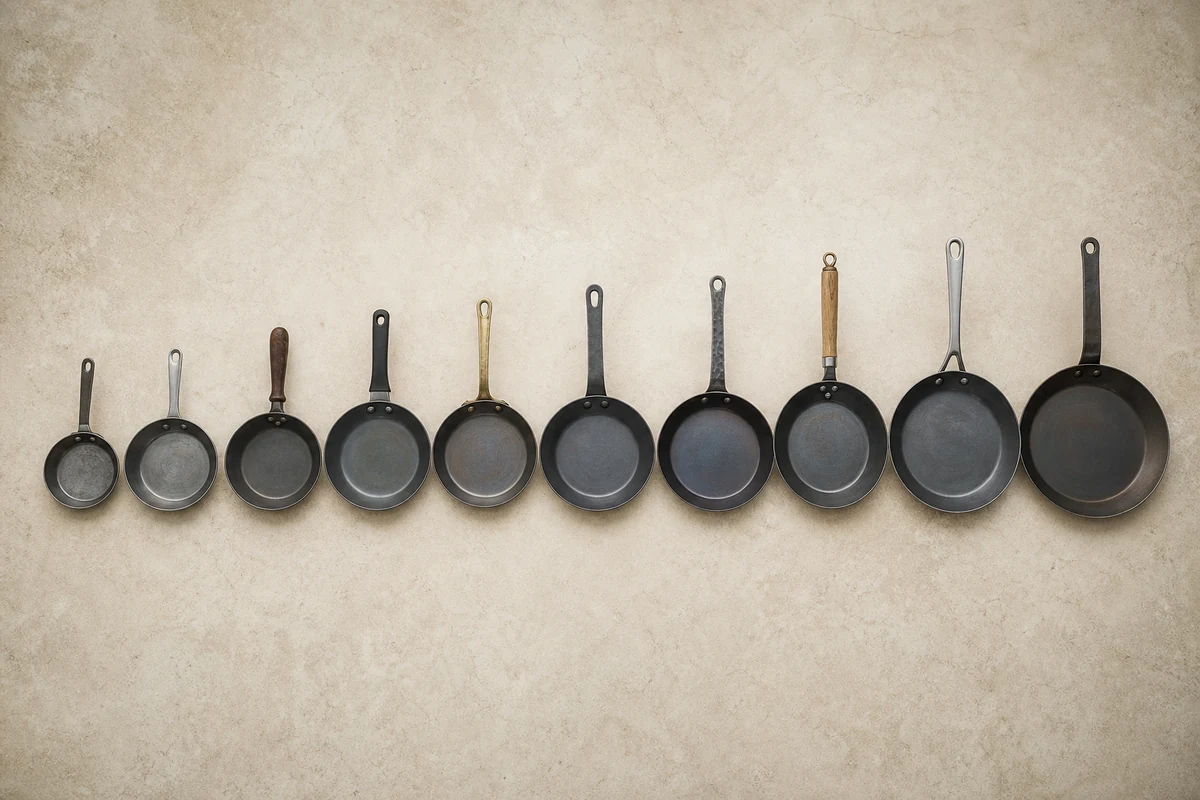
Ten skillets from $27 to $212, compared on cooking surface, weight, handle construction and origin. Includes why the cheapest pan here beats several of the expensive ones for most kitchens.
Read the guide →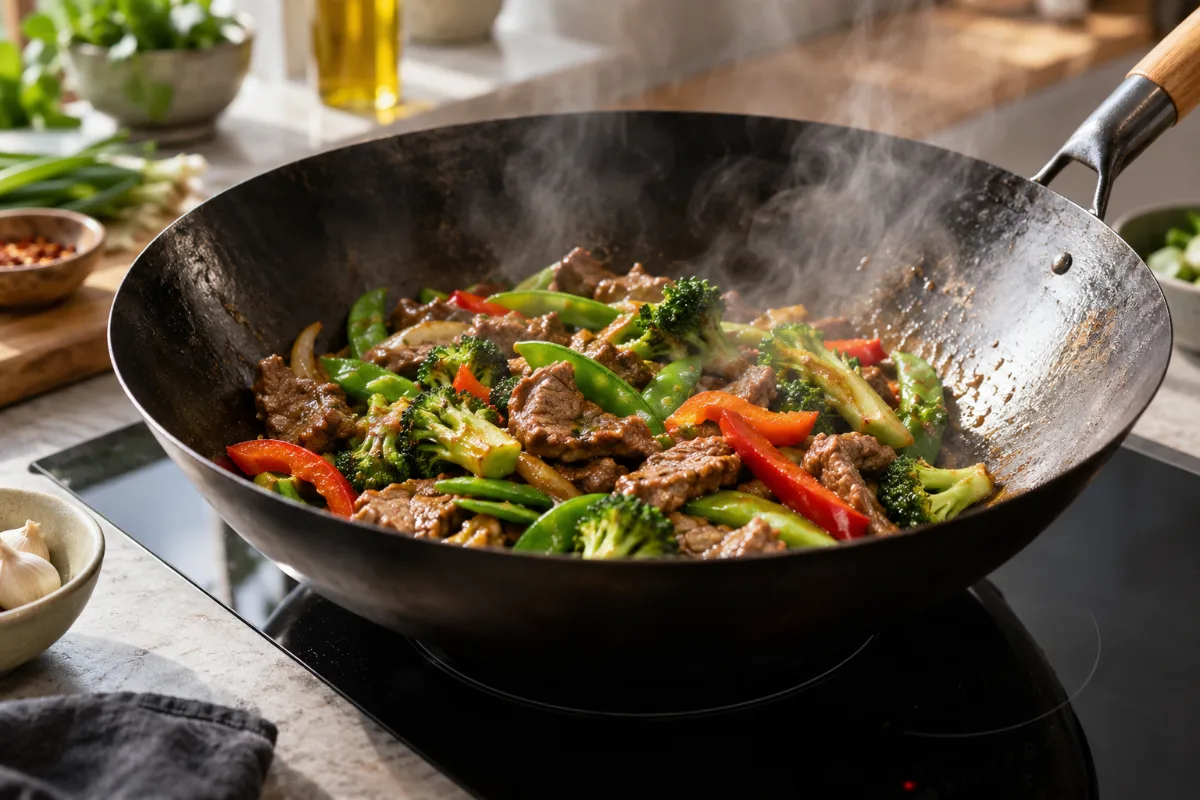
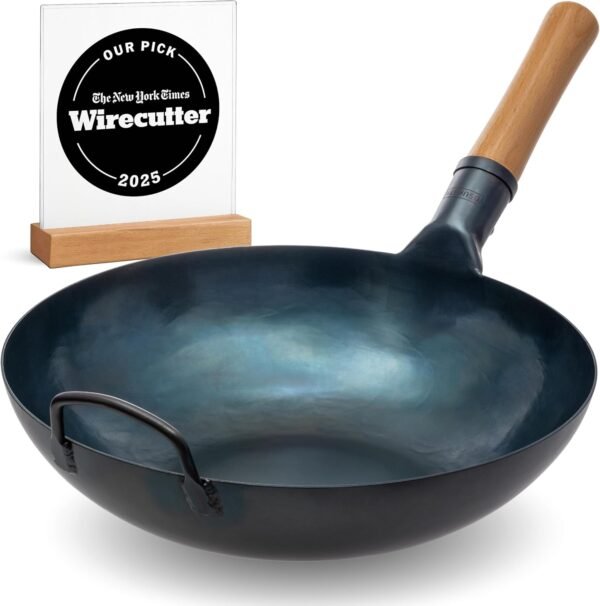
Carbon steel woks
Four woks compared on flat base diameter, depth and weight: the three specs that decide whether a wok works on your hob and whether you can actually toss in it.
Read the guide →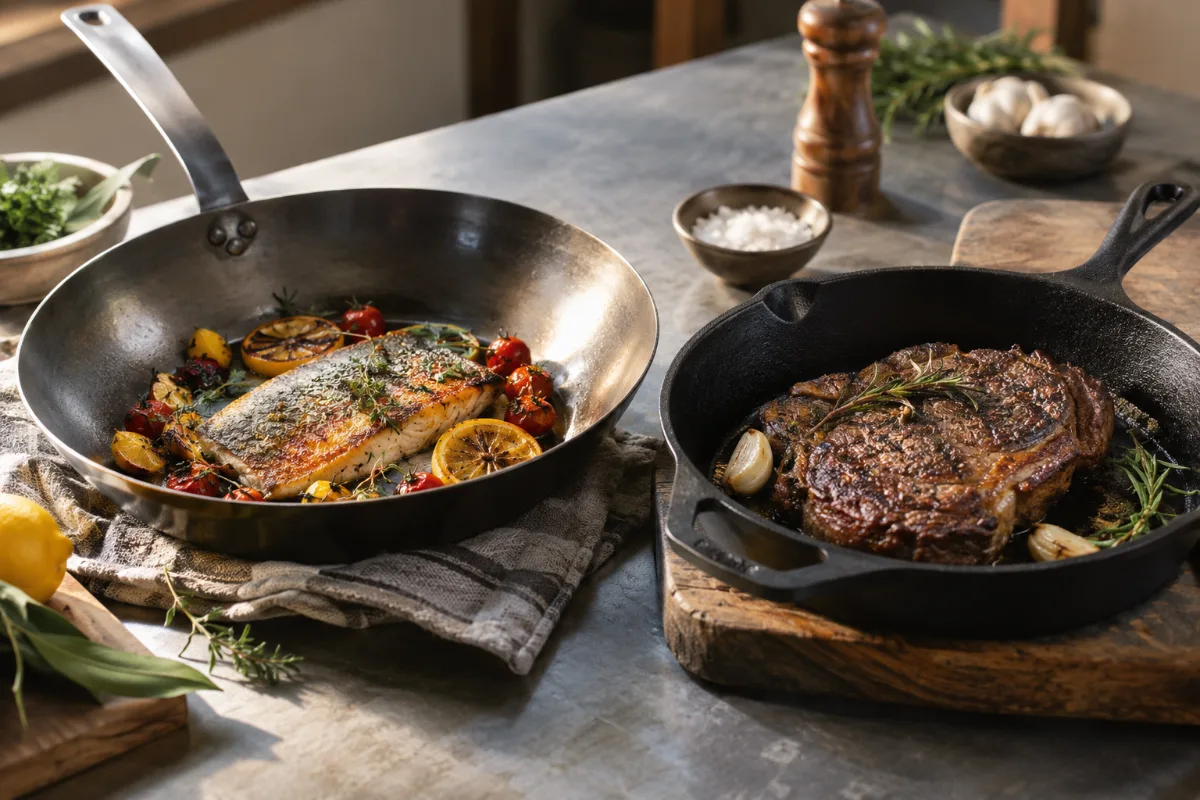
Is carbon steel right for you?
It rusts if stored damp, acid strips the seasoning, and it sticks until you have built several layers. Here is the honest case for and against before you spend anything.
See all pans →Frying pans
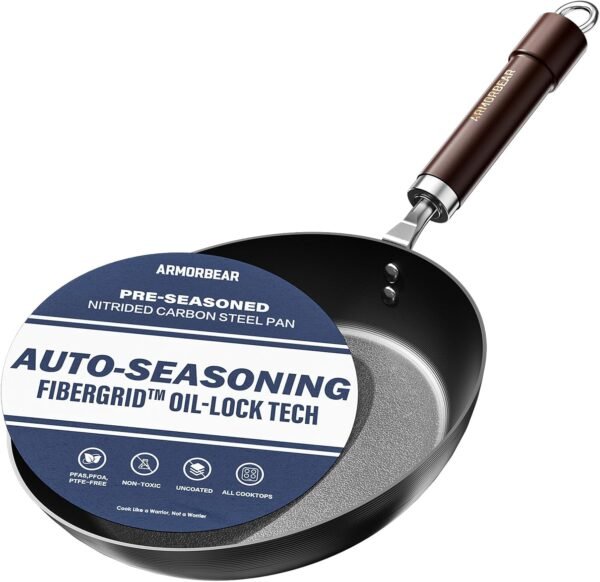
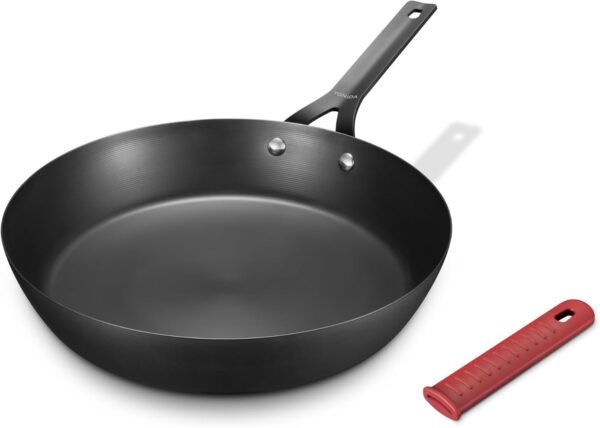
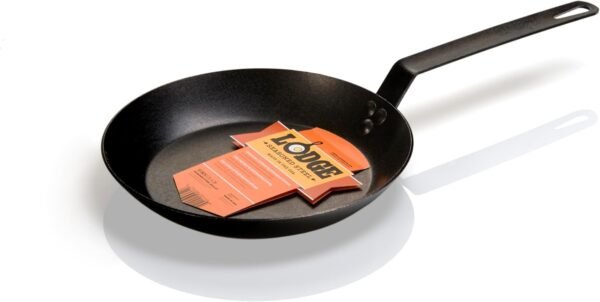
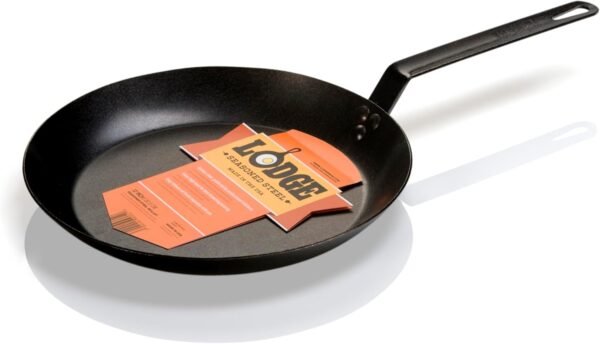
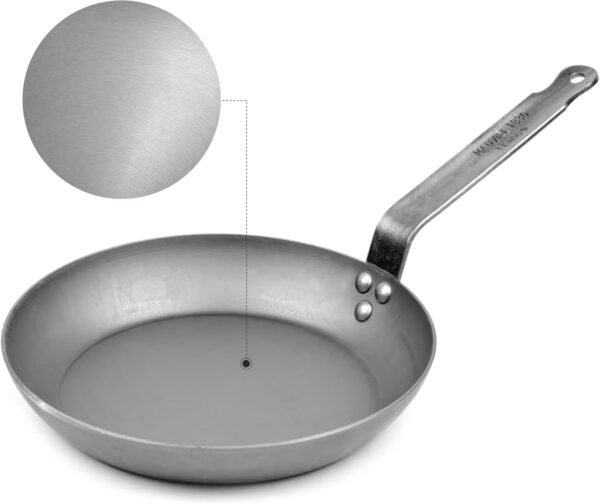
Wide flat base, low sloping walls. Built for searing and browning, where maximum contact between food and hot metal is the point.
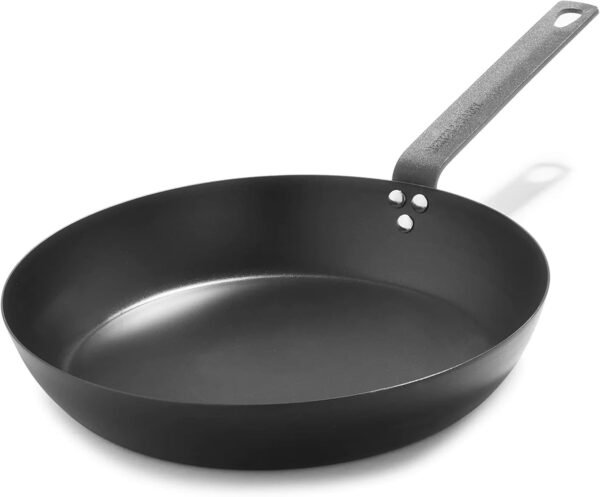
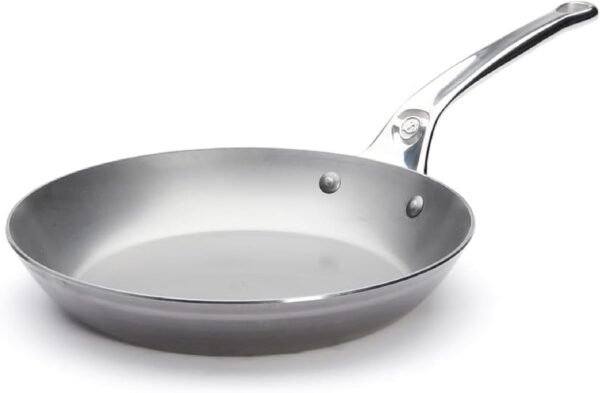
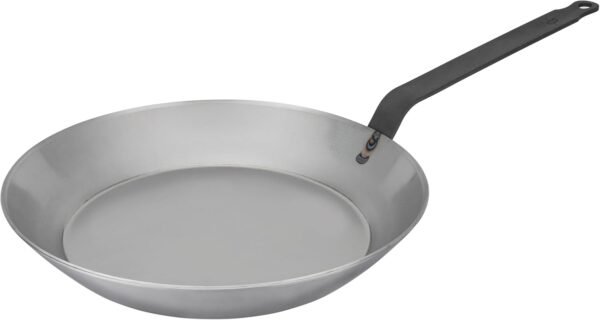
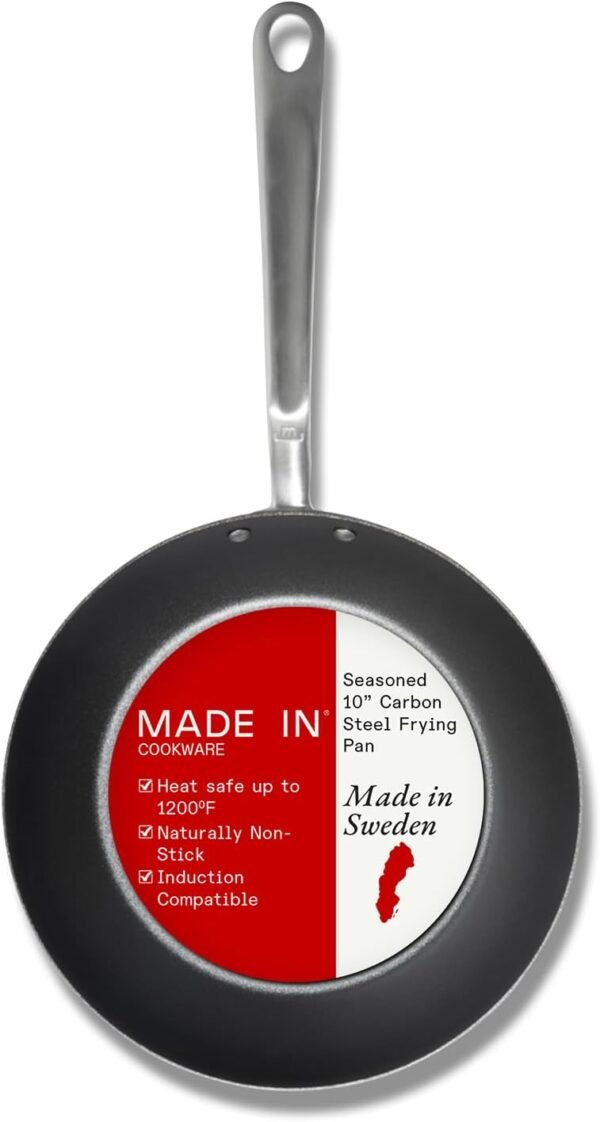
Woks
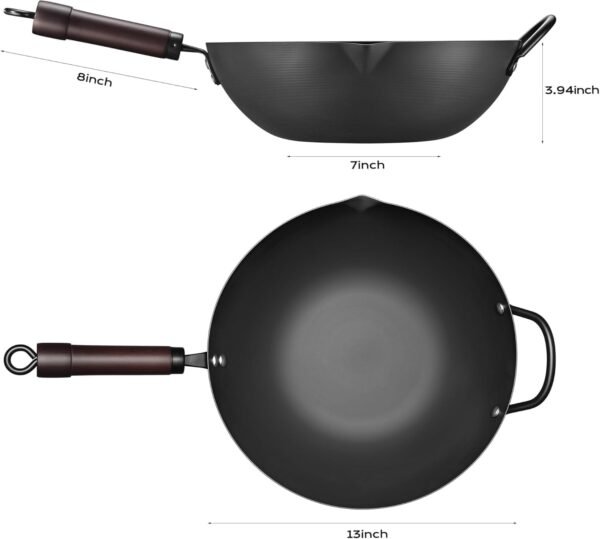
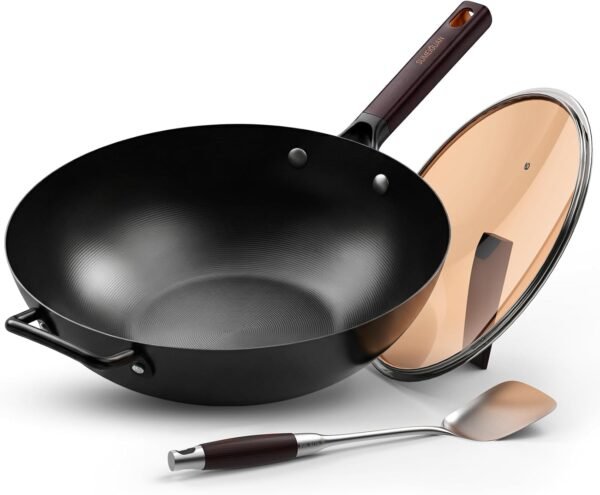
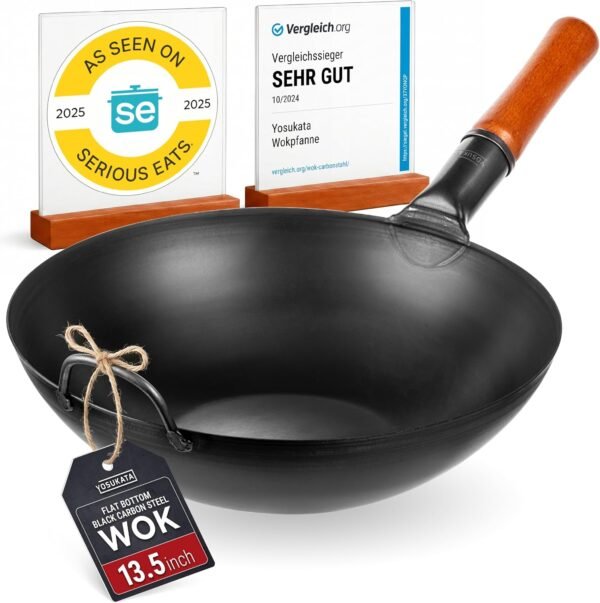
Deep with steep sides. Built for constant motion, very high heat and cooking in stages.
What reviewers say
We do not invent testimonials. These are verifiable results from independent testing and published buyer reviews.
America’s Test Kitchen
Named the Mauviel M’Steel its top carbon steel pick after months of testing, including lab checks for metal safety. We stock the 11 inch version.
See the Mauviel →11,316 buyer reviews
Made In’s carbon steel pan holds 4.7 out of 5 across more than eleven thousand published buyer reviews, one of the largest review bases in the category.
See the Made In →CNN and Food Network
Both publications place de Buyer among the best carbon steel pans of 2026 in their tested roundups. The MINERAL B Pro is the version we list.
See the de Buyer →Common questions
What is a carbon steel pan?
Are carbon steel pans safe?
Which size should I buy?
Do I need to spend a lot?
How does this site make money?
What makes carbon steel different
Nothing to wear out
No coating to flake, scratch or degrade. The non-stick surface is seasoning, a hardened layer of polymerised oil you build through cooking. It improves with age instead of failing.
Half the weight of cast iron
Stamped from thin sheet rather than cast, so it reaches searing temperature in well under two minutes against three to four for cast iron, and comes back down just as fast.
Works on everything
Gas, electric, induction, oven, grill and open fire. Carbon steel is ferrous, so induction detection is only limited by how much flat base is in contact.
The honest drawbacks
It rusts if you put it away damp. Acid strips seasoning, so no long tomato simmers. And a new pan sticks until you have built real seasoning. Most people who give up do so in the first month.
Not sure which to buy?
The comparison tables sort every pan by cooking surface, weight and price, with a plain recommendation for each type of cook.